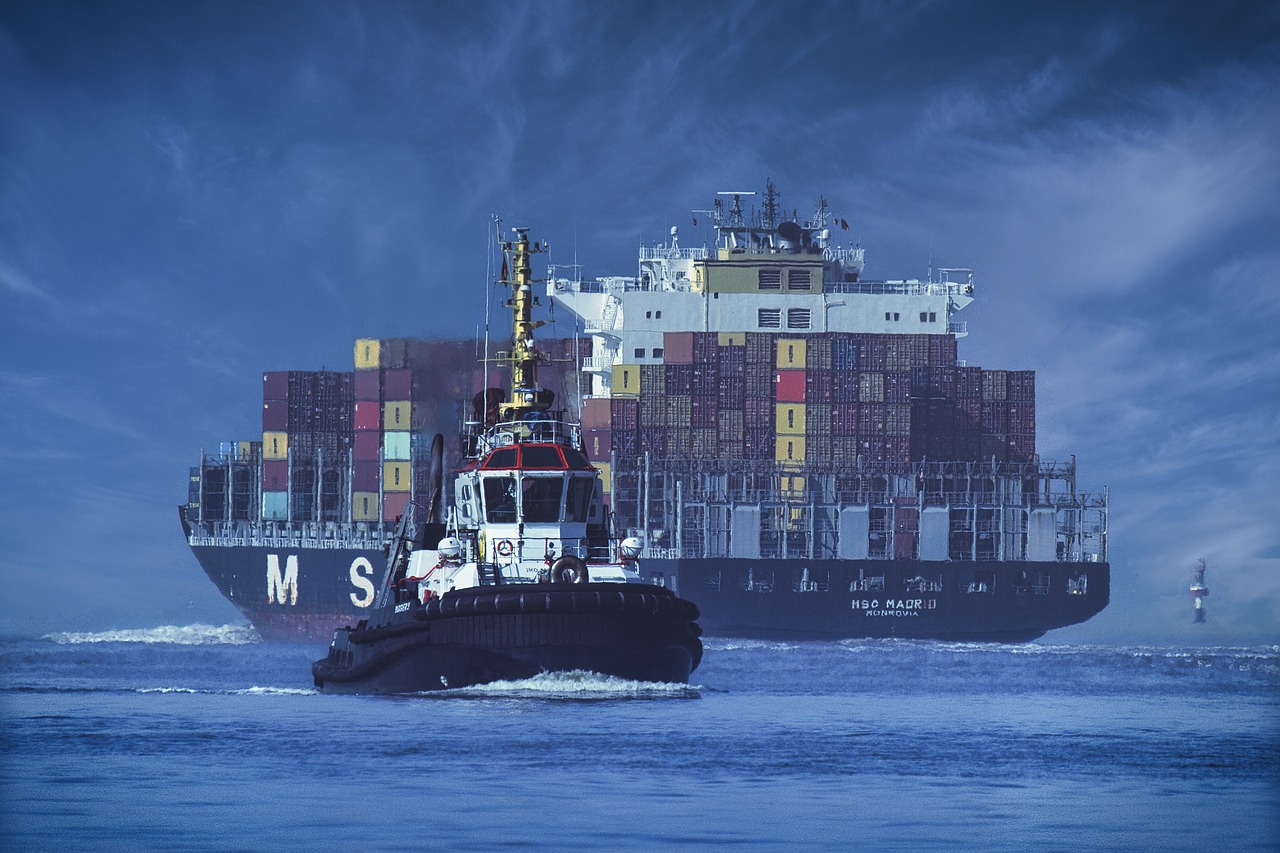
Marine insurance in Cameroon is a contract that protects against financial loss during the transportation of goods, covering risks to vessels, cargo, and terminals. It provides financial stability for businesses by covering damage or loss from events like accidents, mishaps, or natural disasters, regardless of the transportation method, including sea, air, and land in Cameroon.
What are the Principles of Marine Insurance in Cameroon?
The principles of maritime insurance are utmost good faith, insurable interest, indemnity, subrogation, contribution, and proximate cause. The principles of maritime insurance in Cameroon are explained below as follows:
Utmost Good Faith (Uberrimae Fidei): Both the insured and the insurer must act with honesty and disclose all material facts related to the risk. The insured must provide all relevant information, and the insurer must act fairly in handling claims.
Insurable Interest: The insured must have a financial stake in the subject of the insurance (e.g., cargo or ship) and stand to suffer a financial loss if it is damaged or destroyed.
Indemnity: The purpose of the policy is to restore the insured to the same financial position they were in before the loss occurred, but not to allow them to profit from it. The payout will not exceed the actual loss suffered.
Proximate Cause: The loss must be caused by a peril covered by the policy. If the loss is due to a covered peril, the claim will be paid; if it's caused by an uninsured peril, it will not be paid.
Subrogation: After paying a claim, the insurer gains the right to step into the shoes of the insured and pursue any rights the insured may have against a third party responsible for the loss.
Contribution: If the same risk is insured by multiple insurers, each insurer is only responsible for paying a fair share of the loss in proportion to the amount of risk they underwrote.
Direct Action against an Insurer in Cameroon in line with the Bunker Oil Convention
A claimant under the 2001 BOPC can directly sue the insurer irrespective of whether or not the shipowner is solvent or is in breach of its insurance contract and therefore cannot recover under it.
Nevertheless, the insurer is entitled to limit liability even if the ship owner is not. The insurer can invoke all the defences the shipowner would have invoked in an action against the shipowner. In addition, the insurer may avoid liability if the pollution was a result of wilful misconduct by the shipowner.
Defences that could have been invoked under the insurance contract, for example misrepresentation, breach of the obligation of good faith etc., would not allow the insurer to avoid liability against third parties under the 2001 BOPC. The insurer is explicitly given the right to join the shipowner in the proceedings under the 2001 BOPC.