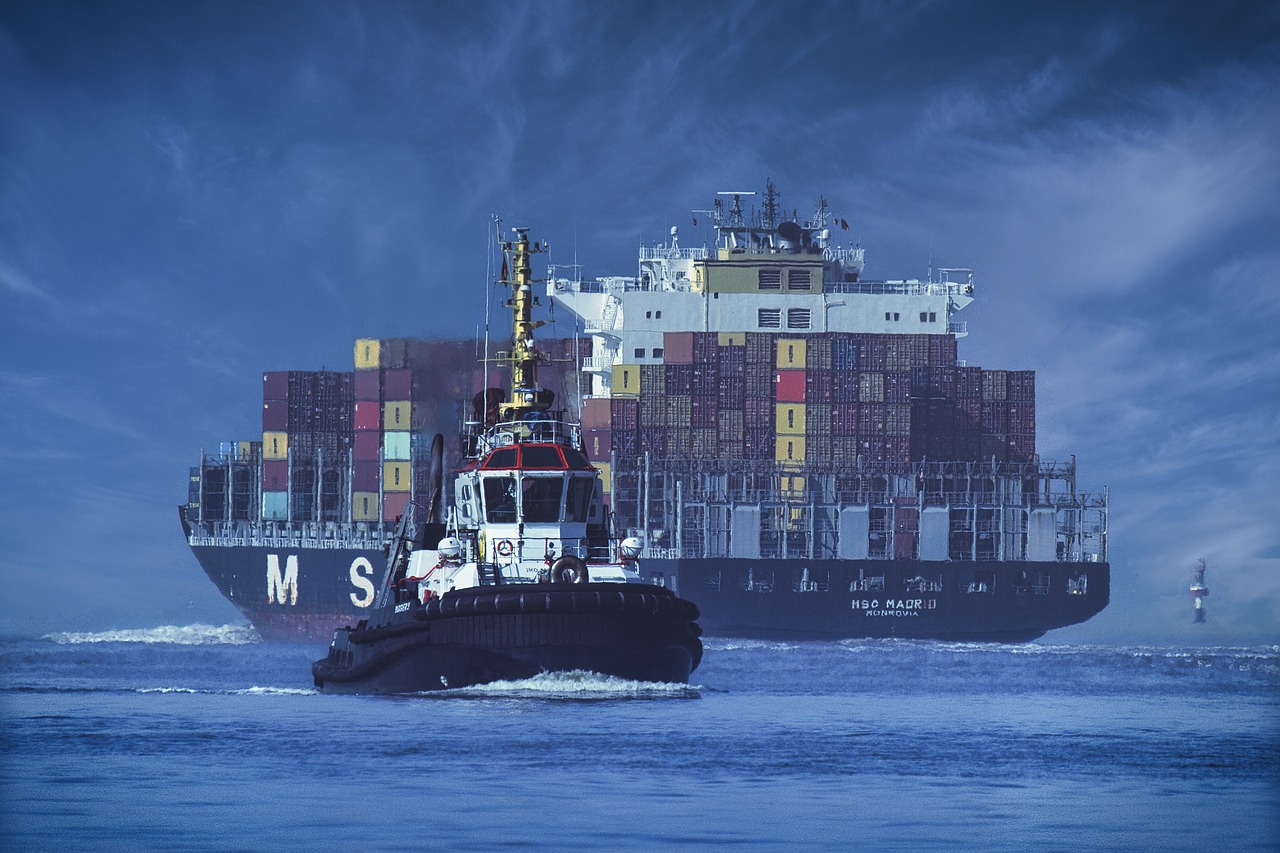
“The maritime sector of Cameroon has as foundation laws, both international and National as well as operating principles which shape the manner in which players in the industry function”
Maritime law in Cameroon is a body of law that governs nautical issues, private maritime disputes, and activities on navigable waters of Cameroon.
Maritime law in Cameroon is quite essential as it covers major aspects of maritime activities linked to international shipping regulations, marine insurance, licenses for operators in the maritime sector of Cameroon, seafarer rights and environmental protection in a bid to enhance global trade and maritime security.
What is interesting about this law is that it covers Cameroon territorial waters alongside the high seas with related land-based activities like cargo loading.
REGULATORY FRAMEWORK OF THE MARITIME LAW IN CAMEROON
- Maritime Regulations of CEMAC Region
CEMAC MERCHANT SHIPPING CODE which was lastly amended on August 22, 2012 which regulates maritime safety, environmental protection, penalties, seafarers, port operations etc.
- Law Regulating Ports and Harbors
Law No. 1998/020 of December 24, 1998 which regulates construction, management and operation of ports in Cameroon.
- Environmental Protection Law
Law No. 96/12 of August 5, 1996 regulates the prevention and mitigation of marine pollution and aligns with international conventions such as MARPOL
- International Maritime Convention
There are several international conventions to which Cameroon is signatory. They are as follows:
- United Nations Convention on the Law of the Sea (UNCLOS): The convention establishes general obligations for safeguarding the marine environment and protecting freedom of scientific research on the high seas, and also creates an innovative legal regime for controlling mineral resource exploitation in deep seabed areas.
- International Convention for the Safety of Life at Sea (SOLAS): The main objective of the SOLAS Convention is to specify minimum standards for the construction, equipment and operation of ships, compatible with their safety.
- International Convention for the Prevention of Pollution from Ships (MARPOL): The Convention includes regulations aimed at preventing and minimizing pollution from ships - both accidental pollution and that from routine operations.
- Convention on Limitation of Liability for Maritime Claims (LLMC): This Convention shall apply whenever any person with capacity seeks to limit his liability before the Court of a State Party or seeks to procure the release of a ship or other property or the discharge of any security given within the jurisdiction of any such State.
- Maritime Labour Convention of 2006
Regulates the regime of employment of Seafarers and other professionals onboard a vessel in Cameroon.
- International Commercial Arbitration
This aspect of maritime law handles the settlement of disputes and the establishment of contracts with the elements of arbitration.
- Maritime Contract Law
Principles of international Maritime contracts are often used in drafting contracts under the maritime business climate of Cameroon.
- Port Operations
This aspect of maritime law in Cameroon operates in conformity with Law No. 98/021 of 24th December 1998 which regulates the functioning and operation of the ports in Cameroon as well as concessions.
KEY ASPECTS OF MARITIME LAW IN CAMEROON
- International Aspect: It includes both international conventions and national laws governing activities on the seas, oceans, rivers, and lakes.
- Multi-Disciplinarity Aspect: Maritime law provides the legal framework for shipping, cargo, maritime contracts, and insurance.
- Employment and Labour Aspect: It addresses the rights and well-being of seafarers, vessel construction standards, and navigation rules.
- Dispute Resolution Aspect: It provides a legal framework for resolving disputes that arise from maritime activities, such as collisions, salvage, and cargo damage.
- Offence and Penalty Aspect: Modern maritime law also deals with issues like illegal fishing and ship-source pollution.
WHERE DOES MARITIME LAW IN CAMEROON APPLY?
- Navigable waters: It applies to oceans, seas, rivers, and lakes that are capable of being used for waterborne transport.
- High seas: It covers activities on the high seas, which are the parts of the sea that are not within the territorial sea, exclusive economic zone, or internal waters of any state.
- Territorial waters: It applies to the territorial waters of a country, which extend a certain distance offshore from its baseline.
- Related land-based activities: Maritime law extends to certain land-based activities that are directly related to maritime commerce, such as the loading and unloading of cargo.
CHALLENGES IN MARITIME LAW OF CAMEROON
- Piracy: The insecurity caused on the Cameroon territorial waters by pirates still remain is major challenge
- Pollution: Irrespective of the laws against environmental pollution specifically pollution of the sea, pollution of the sea still remain a major challenge as regards the prevention of oil spills, plastics etc.
- Supervision: Supervising the activities of vessels on the high seas are sometimes challenging. This explains why most oil spillage is discovered only after the event has occurred.
- Jurisdiction Issues: This challenge is usually the case in conflict of law situation as a result of the collision of vessels on the high seas.
AREAS OF MARITIME PRACTICE FOR KIMA AND PARTNERS FIRM CAMEROON
Our firm provides expert maritime legal and corporate practice consultation services in the following areas of the Cameroon maritime industry:
- Maritime Company Registration
- Ship Registration and Legal Compliance
- Maritime Insurance
- Maritime Contracts
- Marine Pollution & Environmental Protection
- Legal Disputes Resolution
- Maritime Labour Matters
- Maritime Industry Licensing (Import and Export Licenses, Fishing Licenses etc)
- Maritime Business Consultancy
- General Maritime Legal Matters Consultancy
CASE STUDY OF MARITIME LAW DISPUTES IN CAMEROON
- Challenge Against the Neutrality of Arbitrators: Port Autonome de Douala v. Douala Int'l Terminal S.A.
- Ship Registration and Legal Compliance: Douala Port Authority v Camship 2015
- Maritime Labour Dispute: Seafarers Union v Global Shipping Ltd 2020
- Environmental Pollution: Ministry of Environment v. Maritime Transport Co. (2018)