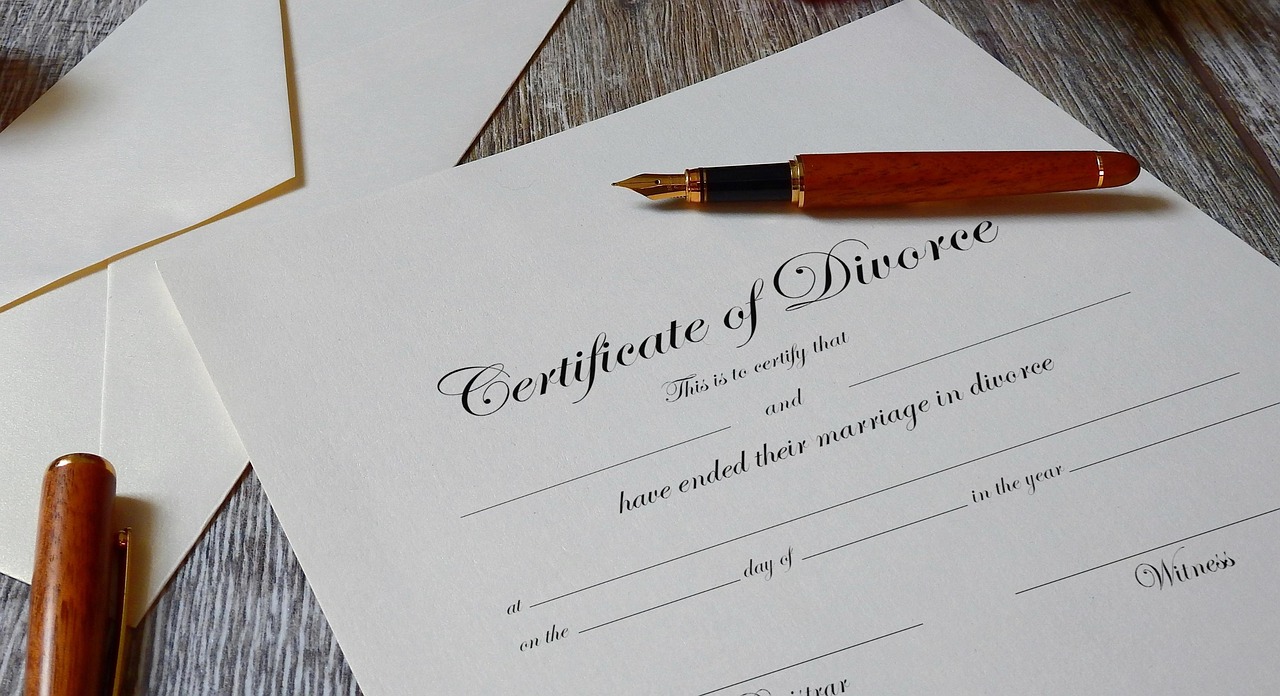
I WILL NOT SIGN THE DIVORCE PAPERS – A MISCONCEPTION BY PARTIES WILING TO TIE DOWN A SPOUSE TO A MARRIAGE IN CAMEROON
It is a widespread misconception in Cameroon that a spouse may prevent the dissolution of a marriage by refusing to execute the requisite divorce papers. Under Cameroonian law, a spouse does not possess the legal right to deny the other party a divorce where the marriage has irretrievably broken down. Where one party refuses to execute the relevant documents, the proceedings continue as a contested or undefended matrimonial cause, and the court retains the power to grant a decree of divorce without the consent of the refusing party.
LEGAL REALITIES REGARDING THE REFUSAL OF ONE SPOUSE TO SIGN DIVORCE PAPERS IN CAMEROON
Here is a breakdown of the legal realities in Cameroon regarding this issue:
1. Refusal Does Not Halt the Process
No Signature Required for Finalization: Cameroonian law imposes no requirement that both spouses execute documents in order to bring a marriage to an end. Upon the filing of a petition in the High Court, the court is vested with the authority to pronounce the dissolution of the marriage.
Uncontested & Undefended Divorce: Should one spouse refuse to engage with the proceedings, the case will be treated as a uncontested and Undefended Matrimonial Cause, placing the burden on the petitioner to demonstrate to the court that the marriage has irretrievably broken down.
Judgment by Default: Where a spouse has been duly served with a summons by a bailiff and nonetheless fails to appear before the court, the proceedings may continue in their absence and the court is empowered to enter a judgment by default against them.
2. Service of Court Process and Substituted Service
Refusal to accept the divorce petition or deliberate evasion does not afford a spouse the ability to obstruct the proceedings.
The court can authorize substituted service, which means the divorce documents can be served through alternative methods, such as:
Publication in a national newspaper (e.g., Cameroon Tribune).
Posting the summons on the court's notice board.
Serving through family members or via WhatsApp/email.
3. Legal Grounds for Divorce in Cameroon
The court will grant a divorce if it is convinced the marriage has broken down irretrivably based on facts such as:
Adultery: When a spouse has committed adultery.
Unreasonable Behaviour: Such as cruelty, physical/mental violence, or failure to provide, which makes it impossible to continue living together.
Desertion: Where one spouse has deserted the other for at least one year.
Separation:
Living apart for two years (with the consent of both parties required).
Living apart for five years (no consent required).
4. Consequences of Refusing to Participate in the Divorce Process
Loss of Opportunity to have a Say: By declining to participate in the proceedings, the respondent forfeits the opportunity to make representations on matters of critical importance, including child custody arrangements, the division of matrimonial property, and spousal maintenance obligations.
Increased Costs: The process takes a longer time, which increases legal fees for the person seeking the divorce.
Binding Decree: Regardless of whether a spouse chooses to cooperate, they will nonetheless be legally bound by the terms of the final divorce decree handed down by the court.
In Cameroon, a marriage is a contract, and if one party no longer wishes to be in it, the courts will not compel them to remain married, even if the other spouse refuses to sign papers.