The employer is directly responsible for implementing all prevention, hygiene and safety measures designed to protect the health of the workers they employ.
When several employers simultaneously use workers in the same workplace, they must collaborate to ensure that all workers receive the most effective protection possible.
Nevertheless, each employer remains responsible for damages caused by their activities.
Any employer who uses manufacturing processes involving special risks or likely to cause occupational diseases is required to declare them before the commencement of said work by registered letter addressed to the Minister of Labour and Social Welfare (Hiringological channel).
The declaration must indicate the nature of the risks and the protection and prevention measures taken to protect workers from the hazards resulting from their activities.
In the event of serious risks, the Labour Inspector of the relevant jurisdiction will conduct an investigation to ensure that all necessary measures have been taken.
The employer is required to provide and maintain the premises, facilities and tools appropriate for the work to be carried out in order to ensure that workers have adequate protection against work-related accidents and any damage to their health.
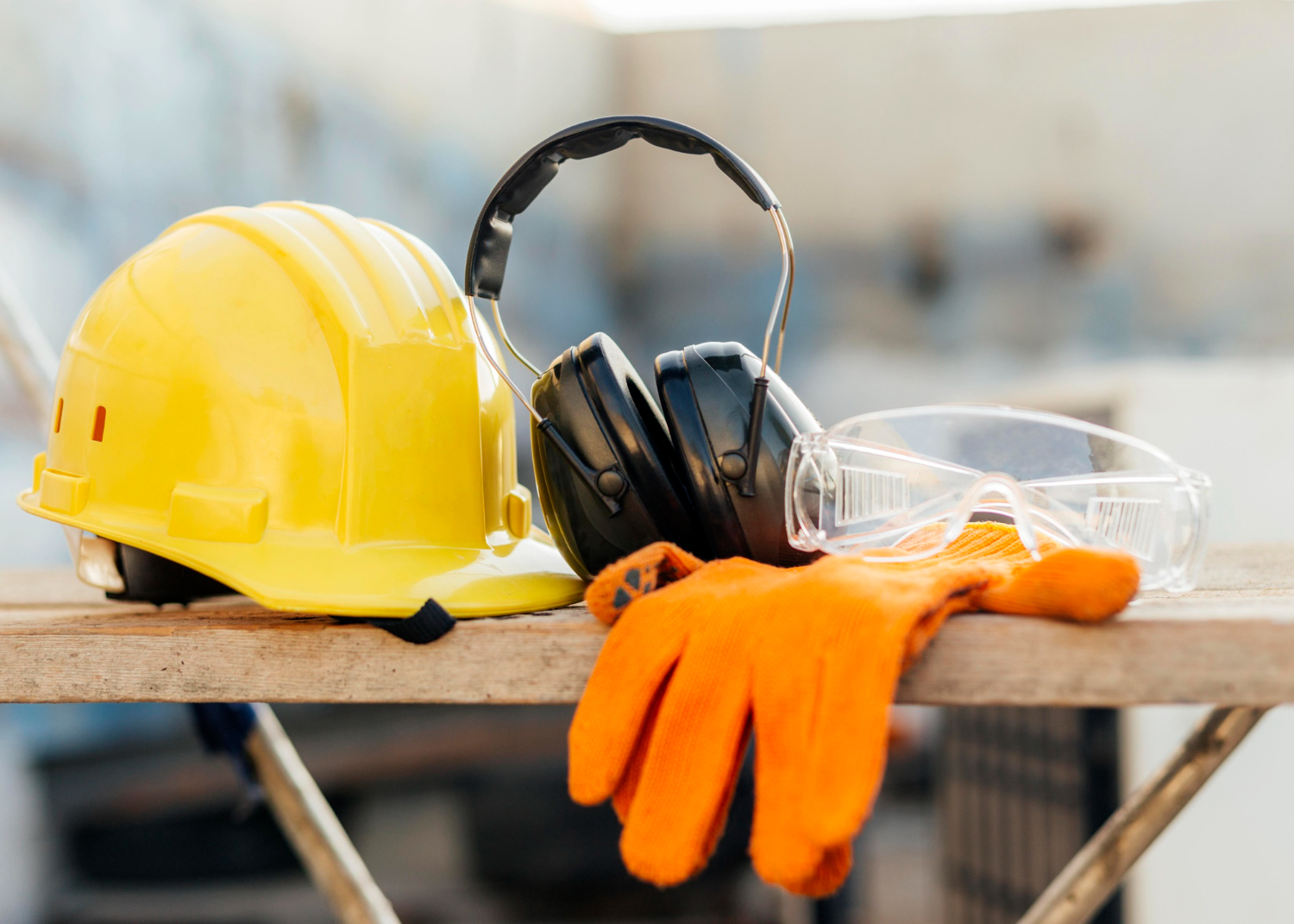
Similarly, the employer is required to ensure that workers, taking into account their activities, have access to, maintain and renew in a timely manner, individual and collective means of protection recognized as effective.
Depending on the nature of the work, the appropriate protective equipment will consist of:
- Respiratory masks when the nature of the industry or the work to be carried out does not allow sufficient elimination of gases, vapors, dust or other harmful emissions;
- Goggles or visors designed to protect the worker against any solid, liquid or gaseous projections that could cause injury;
- Glasses and other protective measures against radiation of all kinds, harmful to sight;
- Protection against all dangerous projections and against the possible falling of objects;
- Gloves, gauntlets, sleeves, head coverings, hoods and special footwear, for the appropriate protection of workers against splashes, fumes and hazardous contacts;
- Special clothing and/or equipment intended to protect workers in the performance of dangerous or simply dirty tasks;
- All other devices, equipment or accessories designed to protect the worker against risks related to his activity.
When hiring or introducing a new work process, the employer is required to provide workers with all information concerning the risks involved in their respective occupations and the measures to be taken to avoid them, including the use of protective systems.
Furthermore, ongoing information is provided to workers, possibly in collaboration with the relevant departments of the Ministry of Labour and Social Welfare and the National Social Welfare Fund, the most representative employers' or workers' trade unions, and any other body concerned with health and safety issues.
Any establishment carrying out an activity classified in risk group A, as defined by the regulations in force concerning work accidents and occupational diseases, and employing more than ten workers, must keep one or more registers called technical control registers in which will be recorded, with the date and the signature of the technicians proposed for these controls, the tests, verifications and periodic maintenance operations of the equipment, machines, safety devices, means of protection.
The above provision is mandatory for companies and establishments carrying out an activity classified in risk groups B and C, regardless of the number of workers employed.