OCCUPATIONAL HEALTH AND SAFETY (OHS) IN CAMEROON
“Occupational health and safety is operational in every working environment in Cameroon and must be adhered to by employers under every working structure”
Occupational health and safety (OHS) is a field in Cameroon focused on protecting the physical, mental, and social well-being of workers in the workplace. It involves identifying and mitigating hazards to prevent accidents and diseases, and promotes a safe and healthy work environment through risk assessment, control measures, and employee training. The goal is to improve working conditions, prevent work-related injuries, and support the overall health and welfare of employees.
Employers and investors desirous of engaging into factory and industrial oriented projects in Cameroon are expected to meet certain safety standards in their investments in conformity with the health and safety laws in Cameroon.
However, both the employer and employee have obligations to be met in conformity with the health of safety law of Cameroon and this aims at ensuring the smooth operation of workers in the workplace.
Key aspects of Occupational Health and Safety in Cameroon
Hazard identification and risk assessment:
Occupational Health and Safety OHS professionals in Cameroon identify potential dangers in the workplace, such as chemical exposures, unsafe machinery, or poor ergonomic setups. They then assess the risks and develop plans to eliminate or reduce them in order to enhance worker efficiency.
Prevention and control:
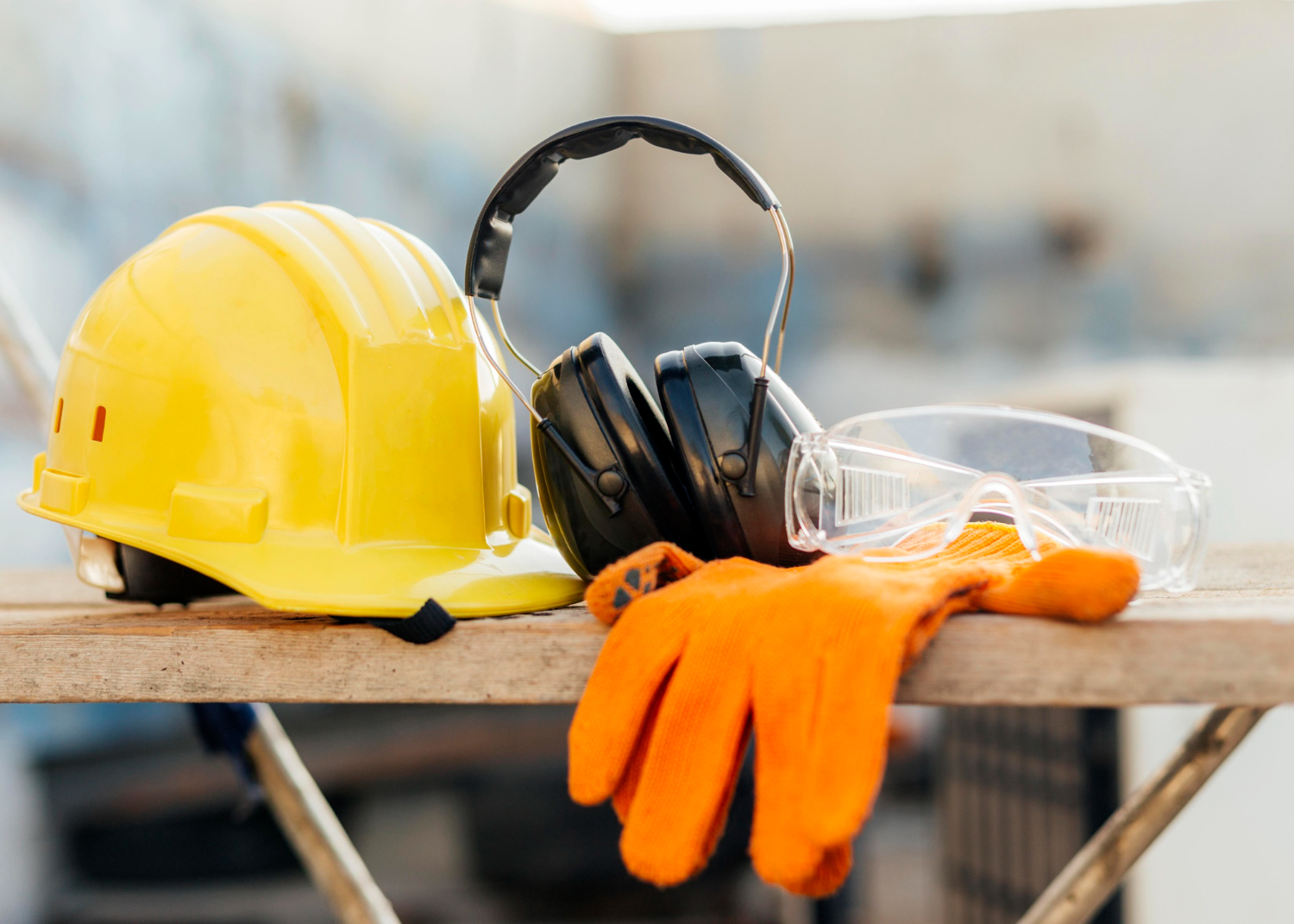
This is a proactive approach taken to prevent workplace accidents and diseases before they occur. This includes implementing safety procedures, providing personal protective equipment, and ensuring proper equipment maintenance.
Employee welfare:
Occupational Health and Safety OHS in Cameroon addresses not just physical safety but also the mental and social well-being of workers. This involves creating a positive work environment, managing stress, and ensuring work is adjusted to suit employees' abilities.
Training and communication:
Employees in Cameroon are trained on health and safety hazards and procedures. Clear communication between employers and employees is crucial for sharing responsibility and creating a culture of safety.
Legal compliance:
Cameroon has many laws and regulations that require employers to provide a safe working environment. Health and Safety compliance is a legal obligation, but it also offers business benefits.
Long-term benefits:
A strong Health and Safety program can lead to a more productive and efficient workforce, reduced costs from accidents, and lower insurance premiums. It can also improve employee morale and help with talent retention.