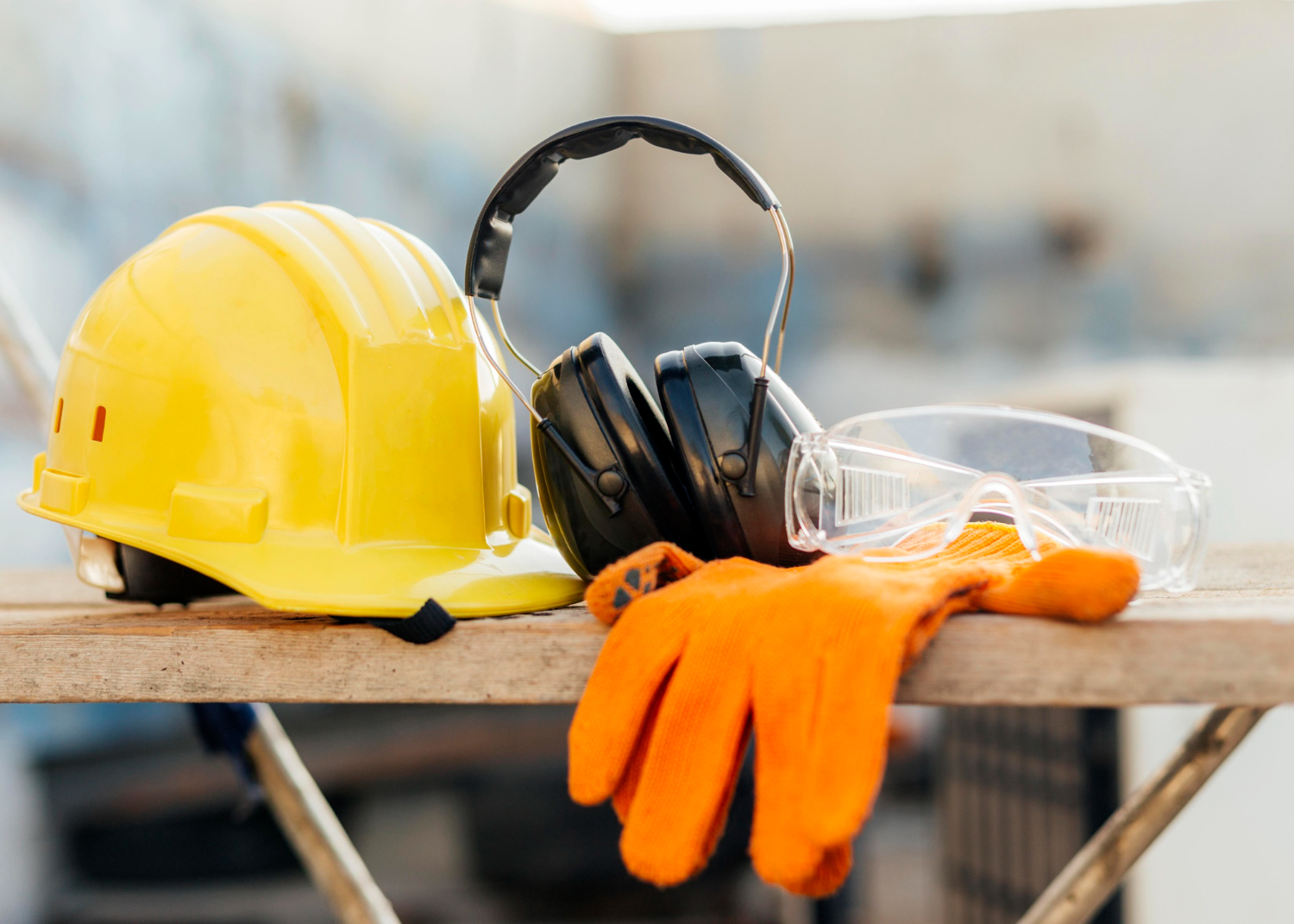
A health and safety committee in Cameroon is a group of worker and management representatives that works together to develop, review, and implement health and safety policies and procedures in the workplace.
A health and safety committee is set up in any establishment using at least 50 workers if the activity is classified in risk groups A and B and whatever the number of workers if the action is classified in group C.
The committee comprises the staff representatives, the employer or his representative, and the occupational physician. If they exist: the assistant, the training officer, and the safety officer must be members of this committee.
It meets as often as necessary and at least once a quarter under the chairmanship of the employer.
The Labour and Social Security Inspector, the Labour Inspector and the health and safety inspectors of the National Social Insurance Fund or their representatives or any other person qualified by the agenda may at any time participate in the work of this committee.
The role of the committee is to:
a) To investigate occupational severe accidents and illnesses to determine their causes and propose appropriate measures to remedy them;
b) To formulate all suggestions likely to improve working conditions;
c) To establish and execute a health and safety program about the activities of the company;
d) To disseminate to all workers the information relating to the protection of the health of the workers and the proper conduct of the work;
e) To foster, maintain and develop a spirit of safety among the workers.
The employer shall ensure that the members of the health and safety committee receive adequate training by all possible means such as seminars, conferences training courses, etc.
Why are Health and Safety Committees important in Cameroon?
Health and safety committees are important in the Cameroon workspace for the following reasons;
Worker and management cooperation: Provide a formal forum for dialogue and cooperation to solve safety problems.
Improved safety culture: Enhance safety awareness and promote trust between workers and management.
Better outcomes: Effective committees can lead to lower injury and illness rates in the workplace.